
Alfabetizzazione e indipendenza finanziaria: perché le competenze finanziarie sono importanti oltre il denaro.
Quando le persone sentono il termine alfabetizzazione finanziaria, Spesso, quando si parla di alfabetizzazione finanziaria, si pensa ad abilità pratiche come la gestione del budget, il risparmio o la comprensione di prestiti e investimenti. Queste sono indubbiamente importanti, ma rappresentano solo una parte di un quadro molto più ampio. In realtà, l'alfabetizzazione finanziaria va ben oltre la semplice gestione del denaro: si tratta di creare opportunità, fare scelte consapevoli e acquisire la fiducia necessaria per plasmare il proprio futuro.
Per i giovani adulti, l'indipendenza finanziaria è spesso una delle prime grandi tappe dell'età adulta. Segna il passaggio dalla dipendenza dalla famiglia o dal sistema scolastico alla capacità di prendere decisioni autonome in merito a lavoro, alloggio, relazioni e aspirazioni a lungo termine. Sebbene il reddito giochi certamente un ruolo in questa transizione, le conoscenze e i comportamenti finanziari sono spesso determinanti per il successo nel raggiungimento di tale indipendenza.
Uno dei vantaggi più significativi dell'alfabetizzazione finanziaria è la fiducia che essa infonde. Le persone che comprendono la propria situazione finanziaria sono generalmente più preparate a prendere decisioni senza sentirsi sopraffatte dall'incertezza. Che si tratti di negoziare uno stipendio, firmare un contratto d'affitto, valutare la possibilità di proseguire gli studi o pianificare un cambio di carriera, la sicurezza finanziaria offre un senso di controllo che va ben oltre le finanze personali.
Al contrario, la mancanza di conoscenze finanziarie può diventare fonte di esitazione. Molti giovani adulti rimandano decisioni importanti per la propria vita perché non sono sicuri delle conseguenze finanziarie. Trasferirsi in un'altra città per un lavoro migliore, avviare un'attività o conseguire ulteriori qualifiche possono sembrare tutte scelte troppo rischiose quando non si ha la sicurezza necessaria per valutare realisticamente le proprie opzioni finanziarie.
L'alfabetizzazione finanziaria ha anche una profonda influenza sulla mobilità. Le opportunità spesso richiedono flessibilità: trasferirsi per lavoro, partecipare a programmi internazionali o investire tempo e risorse nello sviluppo di nuove competenze. Gli individui con maggiori capacità di pianificazione finanziaria sono generalmente più preparati a cogliere queste opportunità perché sanno valutare i costi, anticipare le difficoltà e prendere decisioni consapevoli, anziché reagire alle pressioni finanziarie immediate.
Lo sviluppo di carriera è un altro ambito in cui l'alfabetizzazione finanziaria influenza in modo discreto ma determinante i risultati. Lo stipendio è solo una componente delle decisioni lavorative. Comprendere le tasse, i benefit aziendali, le pensioni, le assicurazioni e la pianificazione finanziaria a lungo termine permette di confrontare le opportunità in modo più efficace e di valutare il valore complessivo dei diversi percorsi di carriera. Incoraggia inoltre una prospettiva più strategica, in cui le decisioni si basano non solo sul reddito immediato, ma anche su obiettivi personali e professionali a lungo termine.
Il rapporto tra alfabetizzazione finanziaria e benessere mentale è altrettanto importante. L'incertezza finanziaria è universalmente riconosciuta come una delle fonti di stress più comuni tra i giovani adulti. La preoccupazione per spese impreviste, debiti o l'incapacità di far fronte alle spese quotidiane può influire sulla concentrazione, sulle relazioni, sulla produttività e sulla qualità della vita in generale.
Sebbene l'alfabetizzazione finanziaria non possa eliminare ogni difficoltà economica, può ridurre l'ansia legata all'incertezza. Sapere come prepararsi agli imprevisti, comprendere le opzioni disponibili e avere un piano finanziario chiaro spesso crea un maggiore senso di sicurezza, anche quando le circostanze non sono ideali. La fiducia non deriva dall'avere risorse illimitate, ma dal saper gestire le risorse disponibili.
Forse l'aspetto più importante è che l'alfabetizzazione finanziaria rafforza l'autonomia personale. L'indipendenza, in definitiva, significa avere delle scelte. La capacità di decidere dove vivere, quale carriera intraprendere, se proseguire gli studi o come affrontare gli imprevisti della vita è strettamente legata alla competenza finanziaria. Il denaro, in questo senso, diventa meno uno strumento di consumo e più uno strumento per creare libertà: la libertà di prendere decisioni basate sui propri valori e aspirazioni, piuttosto che sulla sola necessità finanziaria.
Questa prospettiva più ampia evidenzia perché l'educazione finanziaria dovrebbe andare oltre l'insegnamento di calcoli e definizioni. Sviluppare conoscenze pratiche è essenziale, ma lo è altrettanto aiutare gli studenti a comprendere come le decisioni finanziarie si connettano alle loro ambizioni, relazioni, benessere e vita quotidiana.
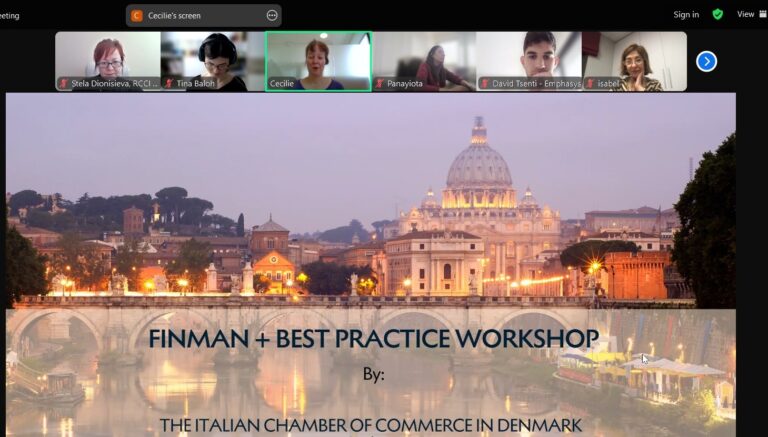
Nell'ambito del progetto FINMAN+, questa visione olistica dell'alfabetizzazione finanziaria si riflette nell'approccio educativo. Attraverso scenari realistici basati su situazioni quotidiane, i partecipanti sono incoraggiati a esplorare non solo i concetti finanziari, ma anche le conseguenze che le diverse decisioni finanziarie possono avere sulle loro opportunità future e sulla loro indipendenza personale. Collegando l'apprendimento a esperienze di vita autentiche, il progetto mira a rendere l'educazione finanziaria più significativa, coinvolgente e direttamente applicabile alle sfide che i giovani adulti si trovano ad affrontare.
In definitiva, l'alfabetizzazione finanziaria non si limita alla semplice capacità di gestire il denaro in modo più efficace. Si tratta piuttosto di acquisire le conoscenze, la fiducia e la capacità di giudizio necessarie per costruire una vita indipendente secondo le proprie regole.
Perché il valore più grande dell'alfabetizzazione finanziaria non si misura con l'entità di un conto in banca, bensì con la libertà di compiere scelte consapevoli, cogliere opportunità significative e affrontare il futuro con fiducia.