Finansiel rådgivning på sociale medier: Nyttig uddannelse eller farlig illusion?
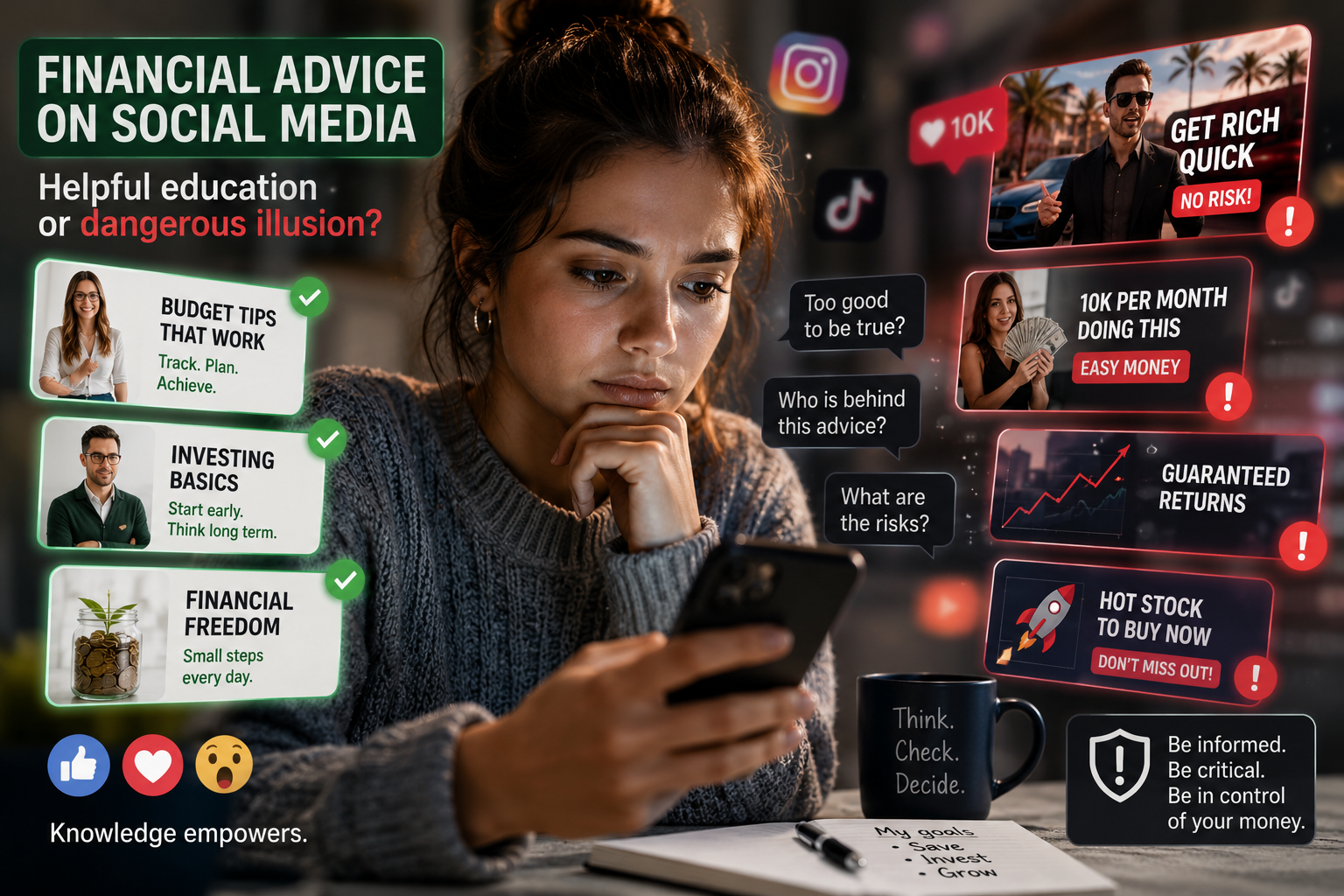
For mange unge voksne i dag er sociale medier blevet en vigtig kilde til finansiel information. Investeringstips dukker op mellem underholdningsvideoer, budgetrådgivning leveres gennem korte klip, og finansielle "eksperter" lover strategier til formue, passiv indkomst eller tidlig pensionering på under et minut.
På overfladen virker dette som fremskridt. Finansielle emner, der engang føltes utilgængelige eller skræmmende, præsenteres nu på en mere engagerende og tilgængelig måde. Samtaler om opsparing, investering og pengehåndtering er mere synlige end nogensinde, især blandt yngre generationer.
Men sideløbende med denne tilgængelighed følger et mere kompliceret spørgsmål: Hvor meget af disse råd hjælper rent faktisk folk med at træffe bedre økonomiske beslutninger?
En af de sociale mediers største styrker er også en af deres største svagheder – enkelhed. Komplekse økonomiske emner reduceres ofte til korte, letfordøjelige beskeder, der er designet til hurtigt at fange opmærksomheden. Selvom dette kan gøre information lettere at fortære, kan det også skabe illusionen om, at økonomisk succes er ligetil, hurtig eller universelt anvendelig.
I virkeligheden fungerer økonomiske beslutninger sjældent på den måde. Personlige omstændigheder, indkomstniveau, risikotolerance, langsigtede mål og økonomisk kontekst spiller alle en rolle. Råd, der virker for én person, kan være fuldstændig upassende for en anden. Alligevel præsenterer onlineindhold ofte økonomiske strategier som universelle formler snarere end kontekstafhængige beslutninger.
En anden udfordring er, at sociale medier belønner synlighed, selvtillid og engagement – ikke nødvendigvis nøjagtighed. Indholdsskabere opfordres til at producere materiale, der tiltrækker opmærksomhed, udløser følelser eller lover dramatiske resultater. Dette kan føre til overforenklede fortællinger såsom:
- “"Enhver kan hurtigt blive økonomisk fri."”
- “"Dette er den hemmelige investeringsstrategi."”
- “"Du taber penge, hvis du ikke gør det her."”
Sådanne budskaber er kraftfulde, fordi de appellerer til følelser: frygt for at gå glip af noget, hastværk, ambition eller usikkerhed. For unge voksne, der måske allerede føler pres på deres økonomiske fremtid, kan denne type indhold have en stærk indflydelse på adfærden.
Problemet er ikke kun misinformation. Selv præcis rådgivning kan blive problematisk, når den præsenteres uden nuancer. En kort video kan ikke fuldt ud forklare risiko, langsigtede konsekvenser eller individuel egnethed. Som følge heraf kan folk begynde at træffe beslutninger, de ikke fuldt ud forstår, simpelthen fordi indholdet føles overbevisende eller populært.
Der er også en stigende tendens til at forveksle forbrug af finansielt indhold med faktiske økonomiske fremskridt. At se videoer om investering, budgettering eller iværksætteri kan skabe en følelse af produktivitet uden nødvendigvis at føre til meningsfuld handling. Finansiel forståelse bliver passiv underholdning snarere end aktiv læring.
Samtidig ville det være uretfærdigt helt at afvise sociale medier. Mange skabere leverer oprigtigt nyttigt og lærerigt indhold og har bidraget til at gøre økonomiske samtaler mere åbne og tilgængelige. For nogle unge voksne fungerer disse platforme som en første introduktion til emner, de måske aldrig støder på i formel uddannelse.
Udfordringen er derfor ikke, om sociale medier bør bruges til finansiel læring, men hvordan folk engagerer sig kritisk i dem.
Derfor bliver digital bevidsthed og kritisk tænkning stadig vigtigere komponenter i finansiel forståelse. Unge voksne har ikke kun brug for finansiel viden, men også evnen til at evaluere informationskilder, genkende urealistiske løfter, sætte spørgsmålstegn ved forenklede fortællinger og forstå risiciene bag finansielle tendenser.
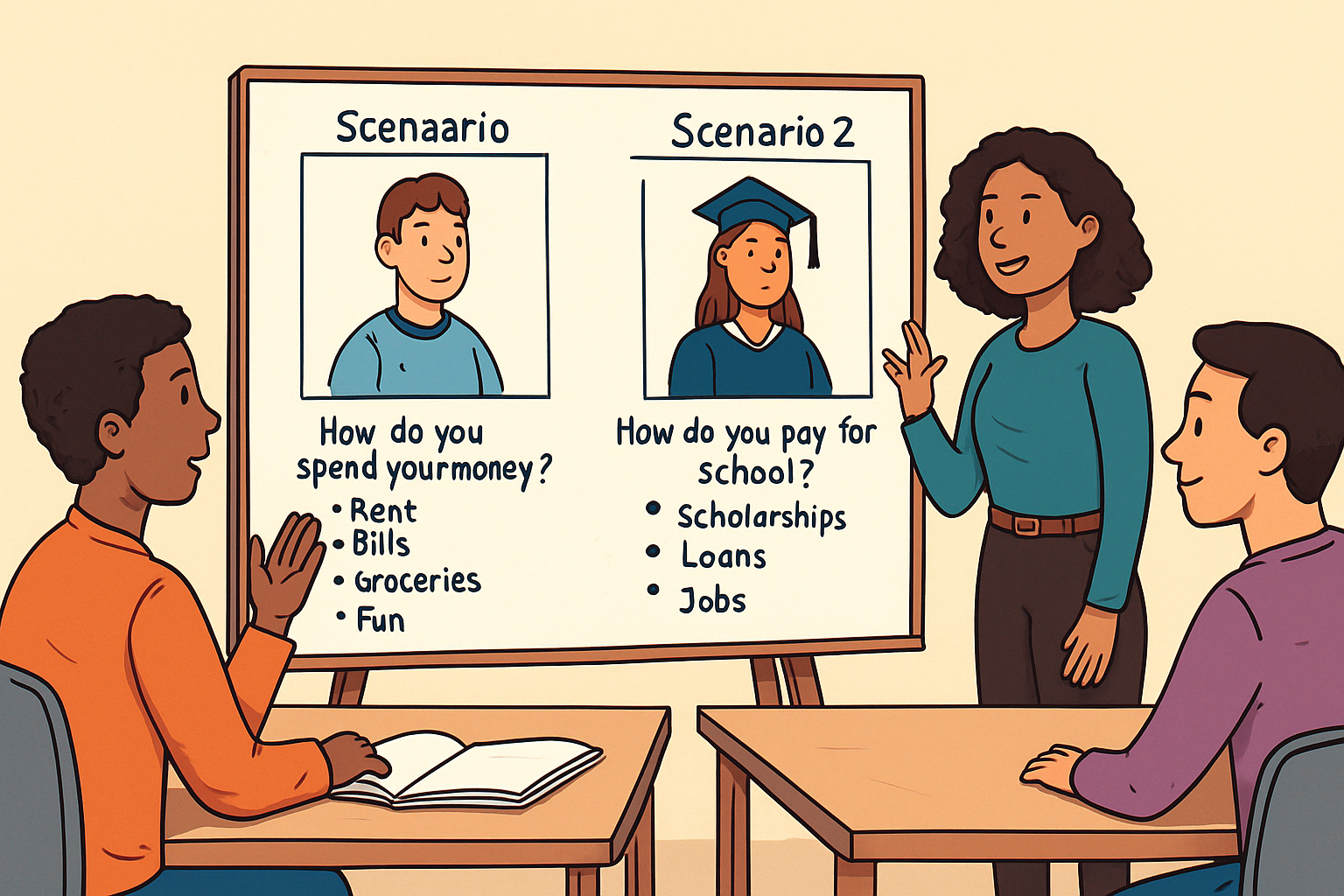
Inden for FINMAN+-projektet er denne adfærdsmæssige og reflekterende tilgang en vigtig del af læringsprocessen. Gennem scenariebaseret læring opfordres deltagerne til at analysere realistiske situationer, evaluere information kritisk og reflektere over, hvordan følelser, social påvirkning og digitale miljøer påvirker økonomiske beslutninger.
I stedet for blot at lære økonomiske begreber udenad, udvikler eleverne dømmekraft – evnen til at holde pause, stille spørgsmål og træffe informerede valg i miljøer, hvor information er konstant, hurtig og ofte følelsesmæssigt overbevisende.
I den digitale tidsalder handler finansiel forståelse ikke længere kun om at forstå penge. Det handler også om at forstå indflydelse.
Og nogle gange er den vigtigste økonomiske færdighed at vide, hvornår man ikke skal stole på det, der vises på skærmen.