Hvorfor "små køb" føles usynlige – og hvorfor de betyder så meget
Når folk tænker på økonomiske problemer, forestiller de sig normalt store udgifter eller dramatiske fejltagelser: at stifte stor gæld, foretage en risikabel investering eller uventet miste et job. Sjældent peger nogen på den kaffe, der blev købt på vej til arbejde, den bestilte madlevering sent om aftenen eller abonnementet, der stille og roligt fornyes i baggrunden.
Og alligevel er det ofte disse små, gentagne udgifter, der former den økonomiske virkelighed langt mere, end folk er klar over.
En af grundene til, at små køb føles "usynlige", er psykologisk. Store udgifter vækker opmærksomhed, fordi de føles betydningsfulde og umiddelbare. Mindre køb har derimod en tendens til at glide under vores mentale radar. At bruge 5 eller 10 euro føles sjældent vigtigt i sig selv, især i en verden, hvor betalinger sker digitalt og næsten øjeblikkeligt.
Moderne finansiel adfærd forstærker denne effekt. Kontanter er stort set forsvundet fra hverdagens transaktioner og er blevet erstattet af kort, digitale tegnebøger, køb med ét klik og automatiske abonnementer. Oplevelsen af at bruge penge er blevet friktionsfri. Penge forlader ikke længere fysisk vores hænder, hvilket gør det lettere at afkoble forbrug fra deres langsigtede påvirkning.
Samtidig er mange små køb følelsesmæssigt berettigede. De fremstilles som belønninger, bekvemmelighed, stresslindring eller "fortjente godbidder". Individuelt set virker disse beslutninger ofte harmløse. Problemet er ikke det enkelte køb – det er det mønster, der skabes over tid.
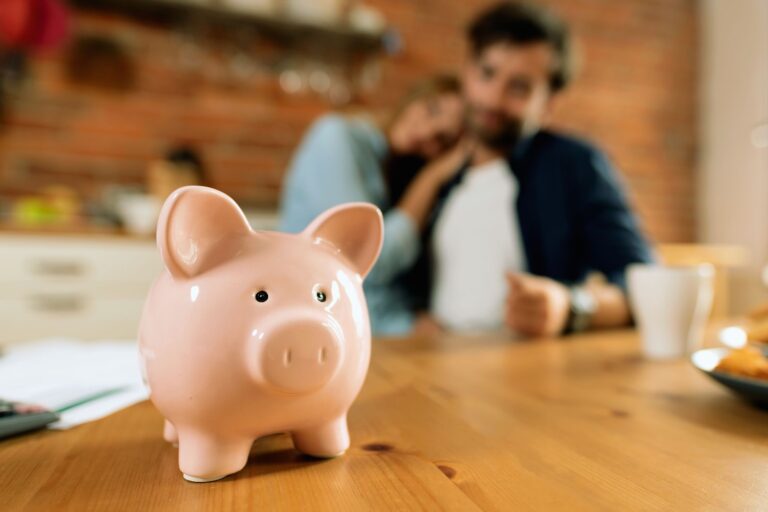
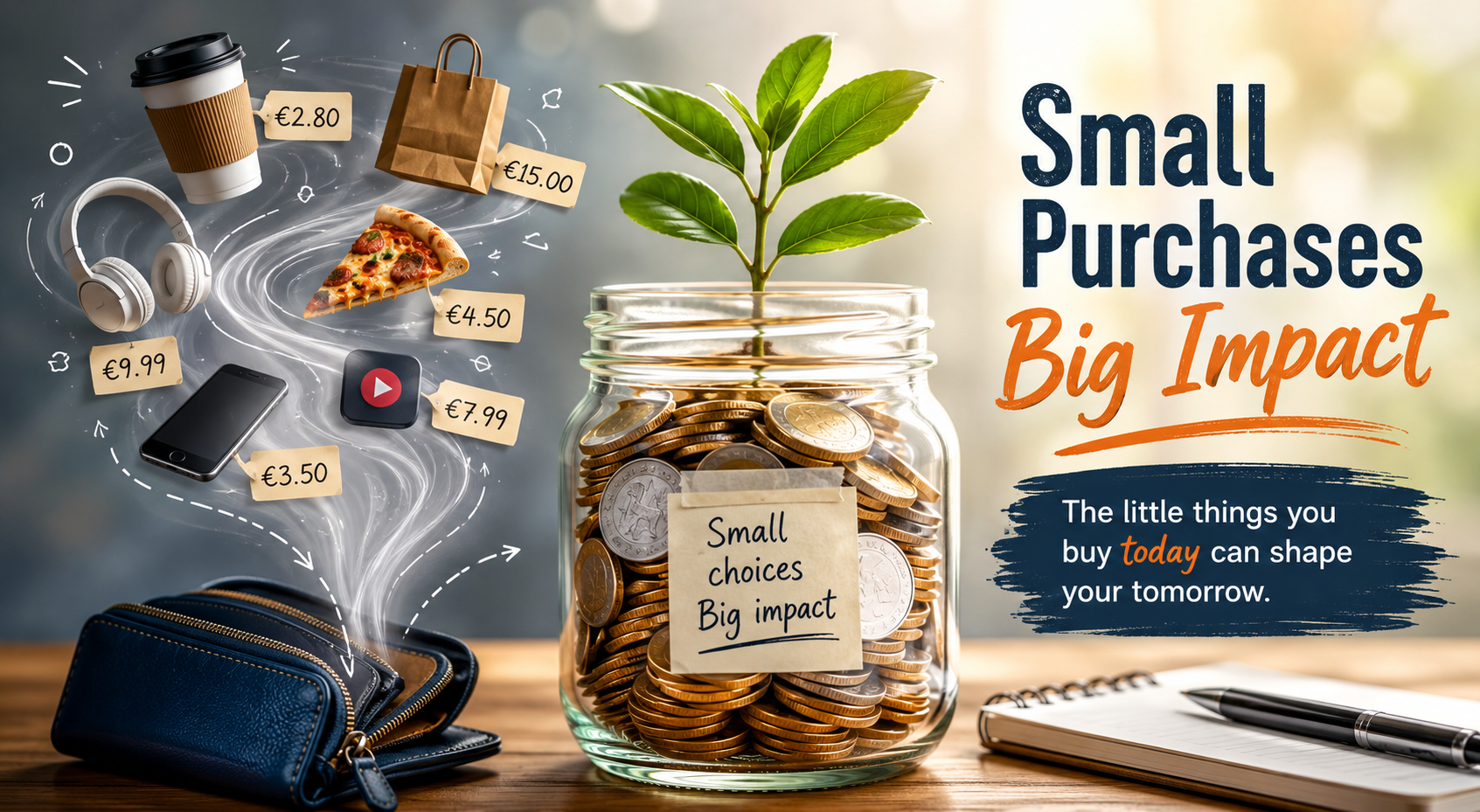
En daglig kop kaffe, et par ubrugte abonnementer, impulsshopping på nettet, hyppige leveringsapps eller små køb i spil virker måske ikke økonomisk seriøse i øjeblikket. Men gentaget konsekvent over måneder eller år kan de stille og roligt forbruge beløb, der ellers ville understøtte opsparing, investeringer eller økonomisk sikkerhed.
Det, der gør dette særligt vanskeligt, er, at folk sjældent vurderer udgifter kumulativt. De fleste beslutninger vurderes individuelt:
“"Det koster kun 8 euro."”
“"Det er bare denne ene gang."”
“"Det er ikke et stort køb."”
Men økonomisk adfærd formes sjældent af én stor beslutning. Oftere er det akkumuleringen af små vaner, der bestemmer de langsigtede resultater.
Det er også derfor, at traditionel økonomisk rådgivning nogle gange føles afkoblet fra virkeligheden. At fortælle folk blot at "bruge mindre" eller "budgettere bedre" ignorerer den følelsesmæssige og adfærdsmæssige side af udgifter. Små køb er ikke kun økonomiske beslutninger – de er ofte knyttet til rutine, stress, identitet, social adfærd eller bekvemmelighed.
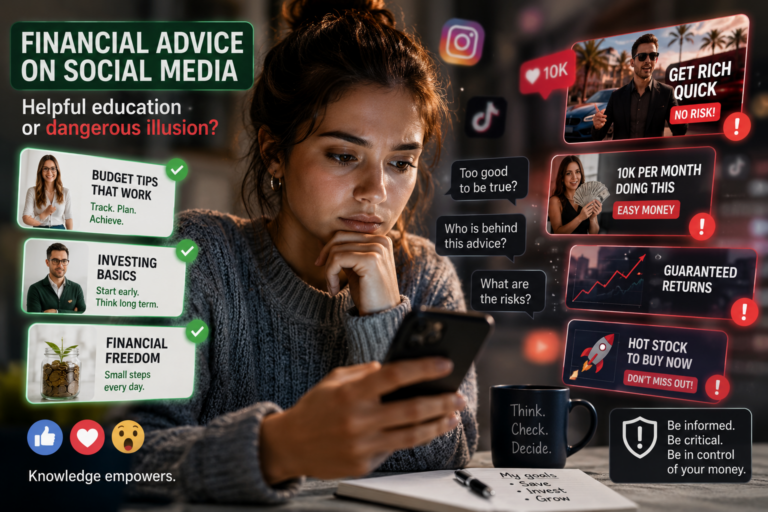
Især for unge voksne er dette miljø stadig vanskeligere at navigere i. Digitale platforme er designet til at fremme hurtige og hyppige forbrugsmønstre. Algoritmer personliggør tilbud, abonnementer automatiseres, og sociale medier fremmer konstant forbrug som en del af livsstil og selvudfoldelse. I denne sammenhæng kræver det ikke kun disciplin, men også bevidsthed at kontrollere små forbrugsvaner.
Målet er dog ikke at eliminere enhver lille fornøjelse eller skabe angst omkring forbrug. Finansiel forståelse handler ikke om aldrig at bruge penge – det handler om at forstå konsekvenserne af gentagen adfærd og træffe bevidste beslutninger i stedet for automatiske.
Det er her, at praktisk og reflekterende finansiel uddannelse bliver særligt vigtig. Når enkeltpersoner begynder at genkende deres forbrugsmønstre og forstå, hvordan vaner udvikler sig over tid, får de større kontrol over deres økonomiske beslutninger.
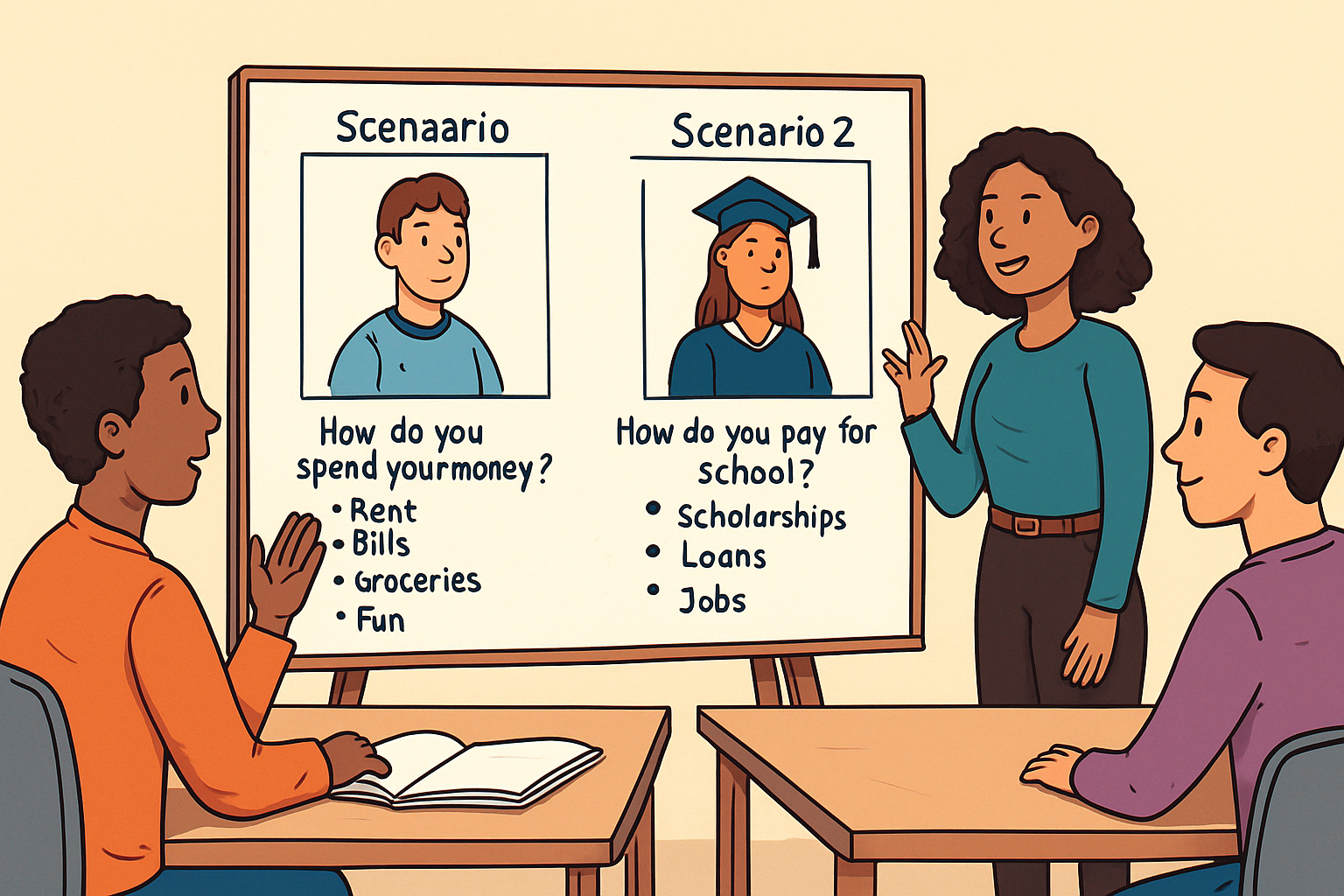
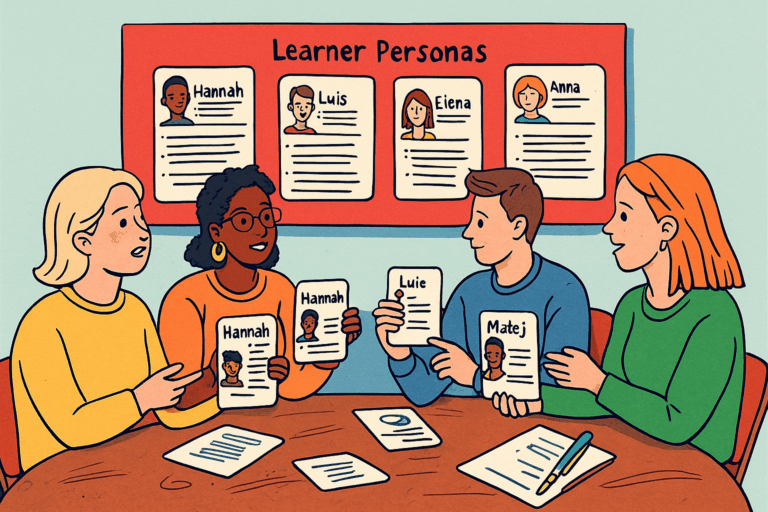
Inden for FINMAN+-projektet er dette adfærdsperspektiv et centralt element i læringstilgangen. Gennem realistiske scenarier og praktiske øvelser opfordres eleverne til at reflektere over hverdagens økonomiske valg, herunder de små beslutninger, der ofte går ubemærket hen. I stedet for kun at fokusere på teori, sigter projektet mod at hjælpe deltagerne med bedre at forstå forholdet mellem vaner, følelser og langsigtede økonomiske resultater.
Fordi i sidste ende opbygges finansiel stabilitet sjældent gennem én perfekt beslutning. Oftere formes den stille og roligt gennem små valg, der gentages konsekvent over tid.
Og det samme gælder omvendt. Små køb kan føles usynlige – men over tid er deres effekt sjældent det.