
Skriti stroški "Začel bom kasneje": Zakaj mladi odrasli odlašajo s finančnimi odločitvami
Za mnoge mlade odrasle se finančne odločitve zdijo kot nekaj, kar se dogaja v prihodnosti. Varčevanje, vlaganje ali načrtovanje vnaprej se pogosto dojema kot pomembno – vendar ne nujno. Vedno je čas, da začnemo pozneje, ko so dohodki višji, ko je življenje stabilnejše ali ko se stvari zdijo jasnejše.
Na prvi pogled se to zdi razumno. V zgodnjih dvajsetih so prioritete drugačne. Treba je dokončati študij, začeti kariero in pridobiti izkušnje. Finančno načrtovanje lahko zlahka pade na dno seznama.
Vendar pa ta miselnost prinaša skrite stroške – takšne, ki so v tistem trenutku redko vidni.
Ideja o “začetku pozneje” pogosto ni posledica logike, temveč zaznavanja. Prihodnost se zdi oddaljena, skoraj abstraktna, medtem ko se sedanje potrebe in želje zdijo takojšnje in oprijemljive. Psihologi to opisujejo kot razkorak med našim “trenutnim jazom” in našim “prihodnjim jazom”. Nagnjeni smo k temu, da dajemo prednost temu, kar nam koristi danes, hkrati pa podcenjujemo vpliv svojih odločitev na to, kdo bomo postali čez leta.
Zato mnogi mladi odlašajo celo s preprostimi finančnimi dejanji. To ni nujno zaradi pomanjkanja ozaveščenosti. Večina razume, da je redno varčevanje ali skrbno upravljanje denarja pomembno. Izziv je v tem, kako se te odločitve sprejemati, ko koristi niso takojšnje.
Hkrati pa obstaja splošno prepričanje, da finančne odločitve zahtevajo določeno raven pripravljenosti – večji dohodek, več znanja ali več stabilnosti. Dokler ti pogoji niso izpolnjeni, ljudje oklevajo z ukrepanjem. Toda v praksi čakanje na “popoln trenutek” pogosto vodi v nedejavnost.
To je še posebej pomembno zaradi vloge časa. V financah čas ni le nevtralen dejavnik – je močna prednost. Zgodnji začetek omogoča rast in kopičenje tudi majhnih prizadevanj, medtem ko zamude zmanjšujejo njihov potencialni vpliv. Razlika med začetkom pri 22 letih in začetkom pri 30 letih ni le osem let – lahko bistveno spremeni dolgoročne rezultate.
Vendar je prav to tisto, zaradi česar je težavo težko obravnavati. Posledice odlašanja niso takoj vidne. Ni jasnega znaka, da gre nekaj narobe. Namesto tega se vpliv počasi in tiho kopiči ter postane očiten šele veliko kasneje.
Drug pomemben dejavnik je okolje, v katerem mladi odrasli danes sprejemajo odločitve. Digitalne platforme, družbeni mediji in potrošniška kultura pogosto krepijo kratkoročno razmišljanje. Poraba je enostavna, takojšnja in pogosto spodbujena, medtem ko varčevanje in načrtovanje zahtevata disciplino in namen. V takšnem okolju postane odlašanje s finančno odgovornostjo privzeta izbira in ne izjema.
Reševanje tega izziva zahteva več kot le spodbujanje ljudi, da “začnejo prej”. Pomagati jim je treba, da vidijo dolgoročne posledice svojih odločitev in da se jim prihodnost zdi bolj resnična in relevantna. Ko posamezniki bolje razumejo, kako majhna dejanja danes oblikujejo njihovo prihodnost, postane motivacija za ukrepanje močnejša.
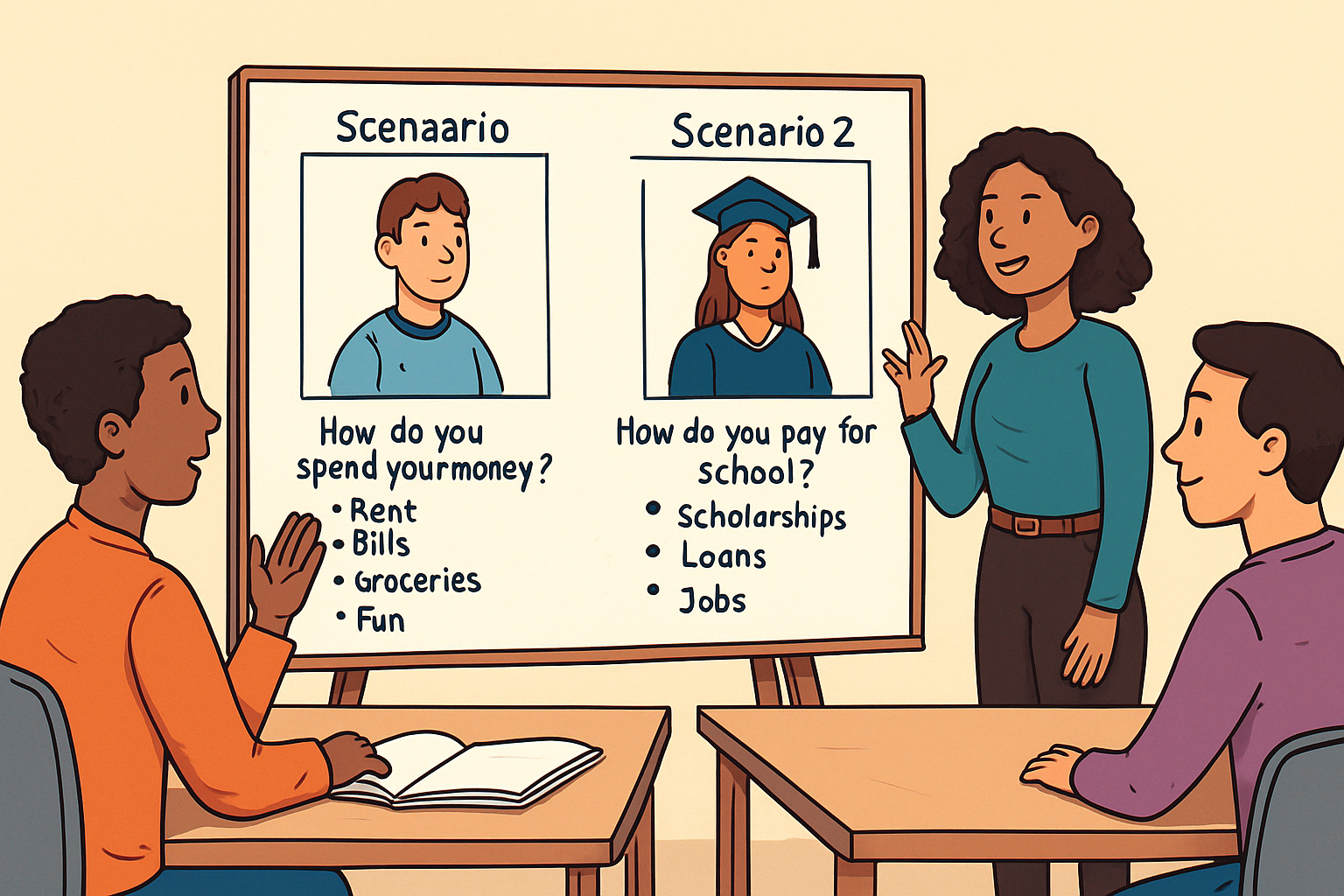
Tukaj postanejo pristopi, kot je učenje na podlagi scenarijev, še posebej dragoceni. Z umestitvijo učencev v realne situacije in omogočanjem raziskovanja posledic različnih odločitev postanejo finančne odločitve bolj oprijemljive. Namesto abstraktnega razmišljanja lahko udeleženci izkusijo, kako odlašanje, varčevanje ali poraba sčasoma vplivajo na rezultate.
V okviru projekta FINMAN+ je ta perspektiva osrednjega pomena. Cilj ni le zagotavljanje znanja, temveč tudi podpora mladim odraslim pri razvoju zavedanja in samozavesti, potrebnih za ukrepanje. S povezovanjem finančnih odločitev z resničnimi življenjskimi konteksti in prihodnjimi posledicami projekt pomaga premostiti vrzel med namenom in dejanjem.
Navsezadnje je odločitev za odlašanje le redko zavestna izbira. Je rezultat tega, kako dojemamo čas, tveganje in sebe. Ko pa ta vzorec prepoznamo, ga je mogoče spremeniti.
Ker pri finančnih odločitvah najvišji strošek pogosto ni napačna poteza – temveč predolgo čakanje na kakršno koli potezo.