Digital finans, reelle risici: Hvorfor finansiel forståelse i dag betyder online bevidsthed
At håndtere penge ser meget anderledes ud i dag end for bare et årti siden. Betalinger foretages med et tryk, banktjenester foregår via mobilapps, og økonomiske beslutninger træffes ofte på få sekunder, nogle gange uden nogensinde at tale med en anden person. Især for unge voksne er digital finans ikke en innovation – det er standarden.
Dette skift har gjort finansielle tjenester mere tilgængelige, hurtigere og mere bekvemme. Men det har også introduceret et nyt lag af kompleksitet og risiko, som traditionel finansiel uddannelse ikke altid har kunnet følge med.
Det er ikke længere nok at forstå, hvordan man budgetterer eller sparer op. I dag betyder økonomisk forståelse også at forstå, hvordan man navigere sikkert i digitale miljøer, genkende potentielle trusler og træffe informerede beslutninger i et rum, hvor risici ofte er mindre synlige.
En af de største udfordringer ved digital finans er, at den skaber en illusion af enkelhed. Transaktioner føles ubesværede, næsten abstrakte. Penge er ikke længere noget fysisk – det er et tal på en skærm, der øjeblikkeligt bevæger sig fra et sted til et andet. Denne bekvemmelighed kan reducere følelsen af kontrol og bevidsthed, hvilket gør det lettere at bruge penge impulsivt eller overse potentielle farer.
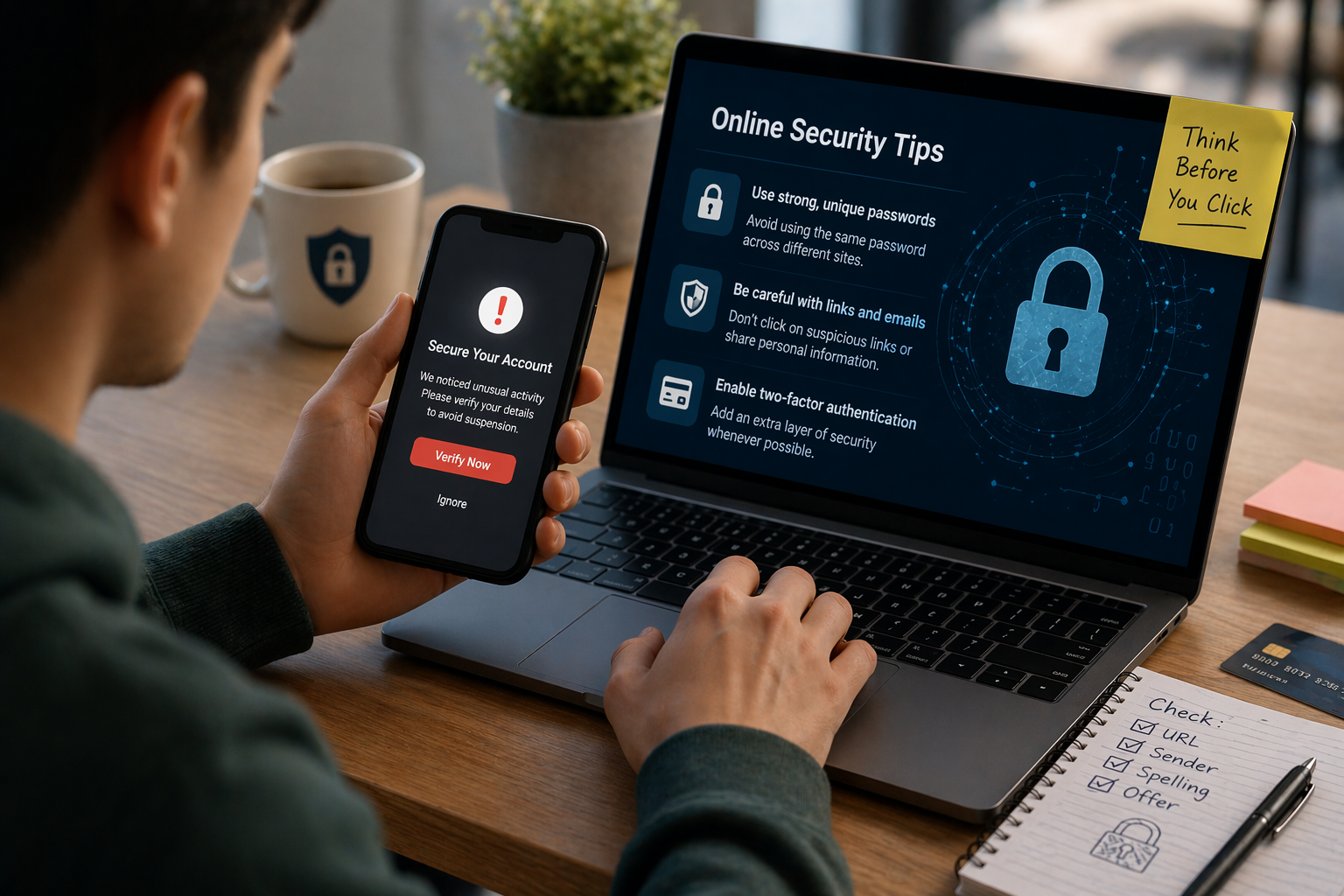
Samtidig udsætter det digitale miljø brugerne for et stigende antal økonomiske trusler. Onlinesvindel, phishing-forsøg, svindelplatforme og vildledende tilbud bliver stadig mere sofistikerede. De er ikke kun designet til at udnytte tekniske sårbarheder, men også menneskelig adfærd – nysgerrighed, hastværk, tillid og sommetider manglende erfaring.
Mange af disse risici synes ikke at være åbenlyse trusler. De fremstår ofte som normale, hverdagslige interaktioner: en besked fra en "bank", en tidsbegrænset investeringsmulighed, en anmodning om at bekræfte kontooplysninger. Forskellen mellem en sikker og en risikabel beslutning er ikke altid klar, især når beslutninger træffes hurtigt.
Det er her, at forbindelsen mellem finansiel forståelse og digital bevidsthed bliver afgørende. At genkende en svigagtig besked, sætte spørgsmålstegn ved et usædvanligt attraktivt tilbud eller forstå, hvordan personoplysninger kan misbruges, er nu essentielle finansielle færdigheder. Uden dem kan selv personer med solid økonomisk viden blive sårbare.
Et andet vigtigt aspekt er den hastighed, hvormed digitale beslutninger træffes. I traditionelle sammenhænge involverede finansielle beslutninger ofte tid – besøg i en bank, diskussion af muligheder og gennemgang af dokumenter. I dag sker mange beslutninger øjeblikkeligt. Denne hastighed giver kun lidt plads til refleksion, hvilket øger sandsynligheden for fejl.
At håndtere denne udfordring kræver et skift i, hvordan finansiel uddannelse gribes an. Det er ikke længere nok at undervise i koncepter isoleret. Eleverne skal være forberedte på de miljøer, de rent faktisk opererer i – hurtige, digitale og til tider uforudsigelige.
Derfor er tilgange som scenariebaseret læring særligt relevante i denne sammenhæng. Ved at placere eleverne i realistiske digitale situationer – såsom at evaluere et onlinetilbud, svare på en mistænkelig besked eller håndtere en digital betaling – kan de udforske risici og konsekvenser i et sikkert miljø. I stedet for at lære regler i teorien udvikler de evnen til at genkende mønstre, sætte spørgsmålstegn ved information og træffe bedre beslutninger under pres.
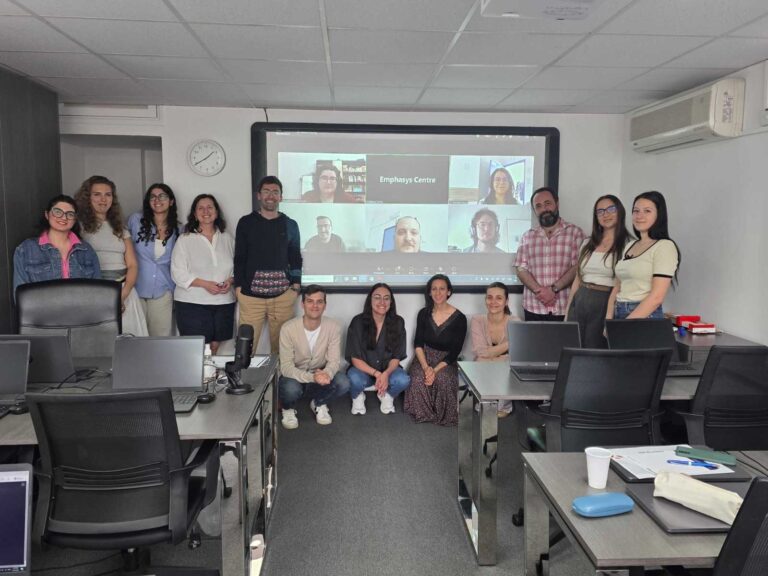
Inden for FINMAN+-projektet er denne forbindelse mellem finansiel forståelse og digital bevidsthed et vigtigt fokus. De scenarier, der udvikles, afspejler ikke kun traditionelle finansielle udfordringer, men også realiteterne inden for digital finans, hvor beslutninger er umiddelbare, og risici er i konstant udvikling.
Ved at integrere disse elementer i læringsprocessen sigter projektet mod at udstyre unge voksne med de færdigheder, de rent faktisk har brug for i dag – ikke blot til at forvalte deres penge, men også til at beskytte dem.
Fordi i den digitale verden er finansiel viden alene ikke længere nok. At være økonomisk kyndig betyder også at være opmærksom, forsigtig og forberedt på at navigere i risici, der ofte kun er et enkelt klik væk.