
Perché anche le persone intelligenti prendono decisioni finanziarie sbagliate
Si tende spesso a pensare che gli errori finanziari derivino da una conoscenza limitata. Se le persone comprendessero meglio i tassi di interesse, la gestione del budget o gli investimenti, prenderebbero naturalmente decisioni migliori. Tuttavia, la realtà è ben diversa. Anche individui altamente istruiti e competenti commettono regolarmente errori finanziari. Il problema non è l'intelligenza, ma il comportamento.
La maggior parte delle persone ha già familiarità con i principi base della finanza personale. Sanno che spendere più di quanto si guadagna porta a problemi, che risparmiare è importante e che i debiti vanno gestiti con attenzione. Eppure, questa conoscenza non sempre si traduce in azione. È proprio nel divario tra sapere e fare che l'alfabetizzazione finanziaria spesso fallisce.
La ragione risiede nel modo in cui le persone prendono effettivamente le decisioni. Le scelte finanziarie raramente sono il risultato di un pensiero calmo e razionale. Al contrario, sono plasmate da abitudini, emozioni e distorsioni cognitive: scorciatoie mentali che influenzano il comportamento senza che ce ne accorgiamo. Le persone tendono a privilegiare le ricompense immediate rispetto ai benefici a lungo termine, a seguire l'esempio degli altri nei momenti di incertezza e a sovrastimare la propria capacità di valutare il rischio. Questi schemi comportamentali influenzano tutti, indipendentemente dal livello di istruzione o esperienza.
In realtà, essere ben informati può talvolta generare un falso senso di sicurezza. Le persone possono credere di essere meno propense a commettere errori, il che le porta a prendere decisioni più rischiose o a essere restie a mettere in discussione le proprie ipotesi. Allo stesso tempo, le decisioni finanziarie vengono spesso prese sotto pressione: quando il tempo è limitato, le informazioni sono incomplete o sono coinvolte le emozioni. In tali situazioni, anche le persone più informate tendono ad affidarsi all'istinto piuttosto che all'analisi.
È qui che l'educazione finanziaria tradizionale rivela i suoi limiti. Gran parte di essa si concentra sulla trasmissione di informazioni – concetti, definizioni ed esempi teorici – senza affrontare il modo in cui le decisioni vengono effettivamente prese nella vita reale. Sebbene comprendere i principi di base sia importante, non è sufficiente a cambiare i comportamenti. Sapere cosa fare non garantisce che le persone lo faranno, soprattutto di fronte a situazioni complesse o stressanti.
Un approccio più efficace consiste nel creare ambienti di apprendimento che rispecchino le condizioni della vita reale. Quando alle persone viene data l'opportunità di esplorare le decisioni, sperimentare le conseguenze e riflettere sui risultati, l'apprendimento diventa più pratico e significativo. Invece di limitarsi a ricevere informazioni, iniziano a sviluppare capacità di giudizio, consapevolezza e fiducia in se stesse.
Questa è la prospettiva alla base del progetto FINMAN+. Anziché concentrarsi esclusivamente sulla conoscenza, il progetto mira a rafforzare gli aspetti comportamentali e pratici dell'alfabetizzazione finanziaria. Un metodo chiave è l'apprendimento basato su scenari, che pone i partecipanti in situazioni finanziarie realistiche e chiede loro di prendere decisioni. Questi scenari rispecchiano le sfide quotidiane, come la gestione del reddito, la valutazione dei rischi finanziari o la gestione delle transazioni digitali, consentendo ai partecipanti di confrontarsi con i concetti finanziari in modo più pratico e intuitivo.
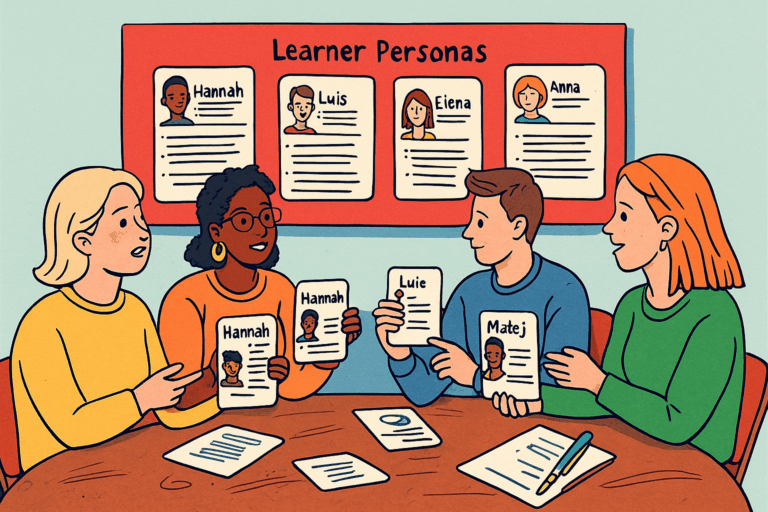
Per rendere questo processo ancora più efficace, il progetto integra anche le "personas" degli studenti, ovvero profili che riflettono le diverse realtà dei giovani adulti in tutta Europa. Ciò garantisce che l'esperienza di apprendimento non sia solo pratica, ma anche pertinente e radicata in contesti di vita reale.
Migliorare l'alfabetizzazione finanziaria non significa semplicemente fornire più informazioni. Richiede un cambiamento nel modo di pensare, di affrontare le decisioni e di reagire all'incertezza. Concentrandosi su comportamenti, esperienze e riflessione, FINMAN+ si propone di supportare i giovani adulti nello sviluppo non solo delle conoscenze, ma anche della capacità di utilizzarle efficacemente nella vita di tutti i giorni.
Perché, in fin dei conti, le decisioni finanziarie migliori non derivano da una maggiore conoscenza, bensì dalla comprensione del nostro modo di pensare e dall'apprendimento di come agire di conseguenza.